Art Classroom Management: Practical Strategies to Get Your Class on Track
Every art teacher has been there. You’ve planned an engaging lesson, laid out the supplies, and within what seems like minutes the class is noisy, distracted, and off task. Classroom management in the art room can be challenging. Art materials are exciting, movement is necessary, and creativity thrives on freedom but without clear boundaries, things can unravel quickly.
The good news? Strong art classroom management is teachable, learnable, and absolutely achievable. Below are practical strategies to help you set expectations, respond calmly to disruption, and build a positive, respectful art room culture.
Setting Behaviour Expectations for the Art Room
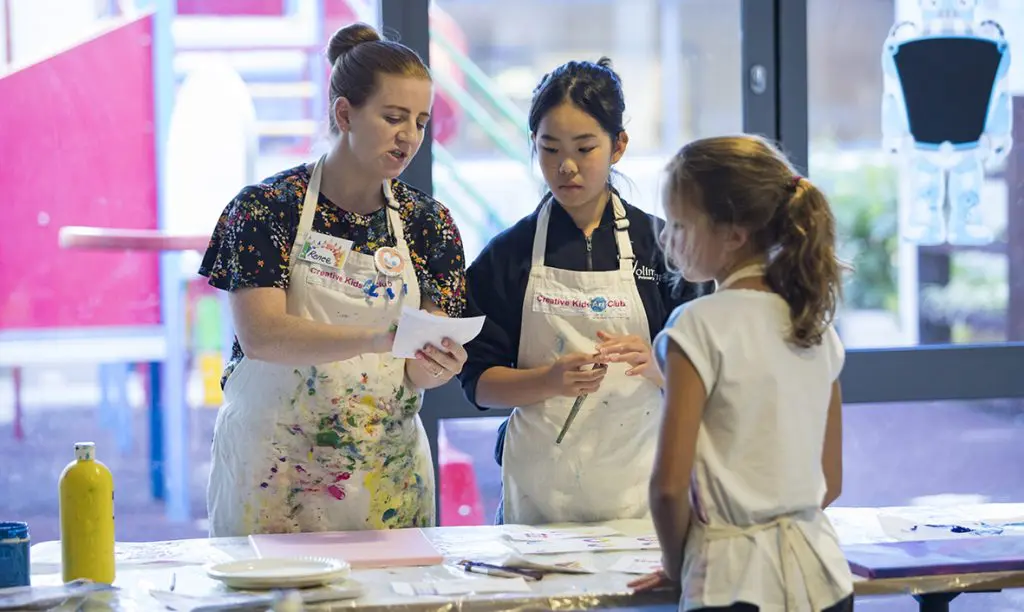
At the beginning of the school year, have kids discuss some useful art classroom rules. What should they include and why do we need them? It is better if the class comes up with the rules rather than the teacher deciding what the rules are. The kids are more invested in the rules if they create them! Here are some suggestions:
- Listen when the teacher is talking
- Treat art supplies with care
- Try your best and have a go
- Follow directions
- Be kind and respectful
- Clean up quickly and quietly
How to Make Art Rules Stick
Teach the rules explicitly – model what they look and sound like
Review them every lesson, especially at the start of the year
Praise students who follow them
Link rules to privileges such as special materials or free choice time
Display them clearly with visuals or student artwork
Positive Reinforcement
Praise is one of the most effective behaviour management strategies in the art room. Notice students who are working well and meeting expectations. Comment on good behaviours you want to foster in the class. Kids will often stop to look and see what these kids are doing.
You could establish an art room reward system. Give points to tables working well and have a chart to record them. The table with the most points tallied after 5 weeks gets free choice of an art activity, or a project with special art materials. Make the tally fun with paint splats or stars.
Another idea is to create an art room award such as a painted “character” paintbrush. For the first reward, allow the winning table to create these awards themselves. Give it to tables working well and a small reward each week.
Students want to do art. When they see that positive behaviour is noticed and rewarded, most will rise to the expectation. These systems reinforce expectations in a positive, visual way. If a positive approach is not working…
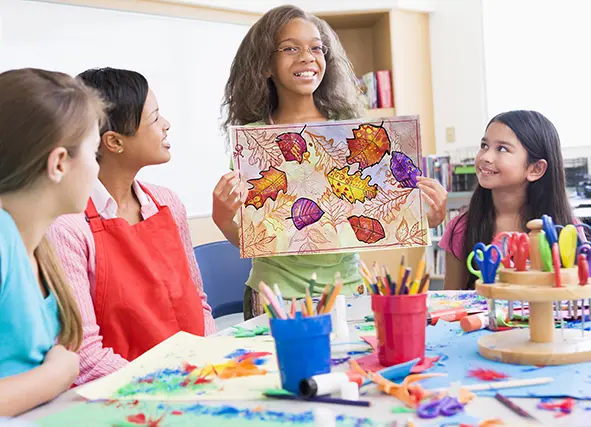
Set the tone right at the start of class
If students enter the room noisy or disruptive, line them up outside and have them re-enter the classroom quietly and calmly.
If the disruptive behaviour continues, stop the class and go over the expectations. If that doesn’t work, and poor behaviours continue, try to stay calm and try another strategy.
Use a class reset or a mindfulness exercise. A short reset can dramatically shift the tone of a lesson. Try a one-minute reset with heads down on the desk and silent reflection. Another idea is to start the class with 3-minute guided breathing exercise to increase calm and focus. Repeat resets as needed throughout the lesson.
When the Class Is Not on Track
If you have an unruly class, sometimes the most effective response is to pause the art lesson altogether. If behaviour has reached a point where learning can’t happen:
- Pack up the art supplies and safely collect student work
- Provide worksheets, quizzes, or written reflection tasks instead
- Make it clear that art privileges are earned through responsible behaviour
One strategy is to write the letters A R T on the board.
- Remove a letter for misbehaviour, talking during instruction, or being off task
- If all three letters are removed, art time ends
Students then respond in writing:
- Why did we lose our art privileges?
- Which rules were broken?
- What can we do better next time?
This keeps consequences calm, clear, and reflective rather than emotional.
Reset Expectations and Be Consistent
After a difficult lesson, don’t just move on as if nothing happened. Begin the next class with a serious, calm conversation. Review what happened and why and revisit classroom rules and expectations.
For ongoing improvement:
- Start every lesson by reviewing expectations
- If rules aren’t followed, students’ complete worksheets instead of art projects
- Transgressions consistently result in loss of art privileges
Display a sample of the art project they could be doing, it can be a strong motivator. Students can see what positive behaviour allows them to participate in.
Reduce Stress with Simpler Lessons
On tough weeks, simplify. Choose low-mess, and low-prep projects. Reduce expectations temporarily and use engaging but minimal supply lessons.
Bored students act out, so keep lessons purposeful and engaging. Relief teacher style lesson plans can be a great backup when behaviour is off task.
Seek Support and Document Behaviour
You don’t have to manage everything alone. Talk with the class teacher about behaviour in other subjects. Document classroom incidents for discussions with parents or administration and ask for admin or principal support.
Arrange for a trusted colleague to temporarily take a disruptive student if needed. Finding a veteran teacher as a mentor can also make a huge difference.
Remember the Big Picture
Classroom management is not about the class being perfect. It’s about progress. Focus on small wins and reflect on what worked and what didn’t. Remember, tomorrow is a new day.
With clear expectations, calm responses, and consistent follow-through, your art room can become a space where creativity and respect thrive together. You’ve got this. 🎨
Latest Articles
Popular kids art lessons for teachers and ideas for the artroom

Why is it important for kids to work in 3D ...
Art Classroom Management: Practical Strategies to Get Your Class on ...

Congratulations on your Art Teaching Role! Welcome to first year ...