An engaging art room does more than look colourful. It inspires creativity, builds confidence and makes students excited to walk through the door. For K–6 students, the art room should feel welcoming, imaginative and full of opportunities to explore. The best part? You don’t need a huge budget to create a space students will love.
Create a Colourful and Inspiring Space
Art rooms should feel different from a regular classroom. Bright colours, student artwork and creative displays instantly make the space feel exciting and inviting. Use colourful table tubs, paint palettes, posters and bunting to add energy to the room without overwhelming students.
Consider creating feature walls around the Elements of Art such as line, shape, colour and texture. Print up our posters on the Elements of Art, free for members. These can become both decorative and educational, helping students connect artistic concepts to the projects they create.
Display Student Artwork Everywhere
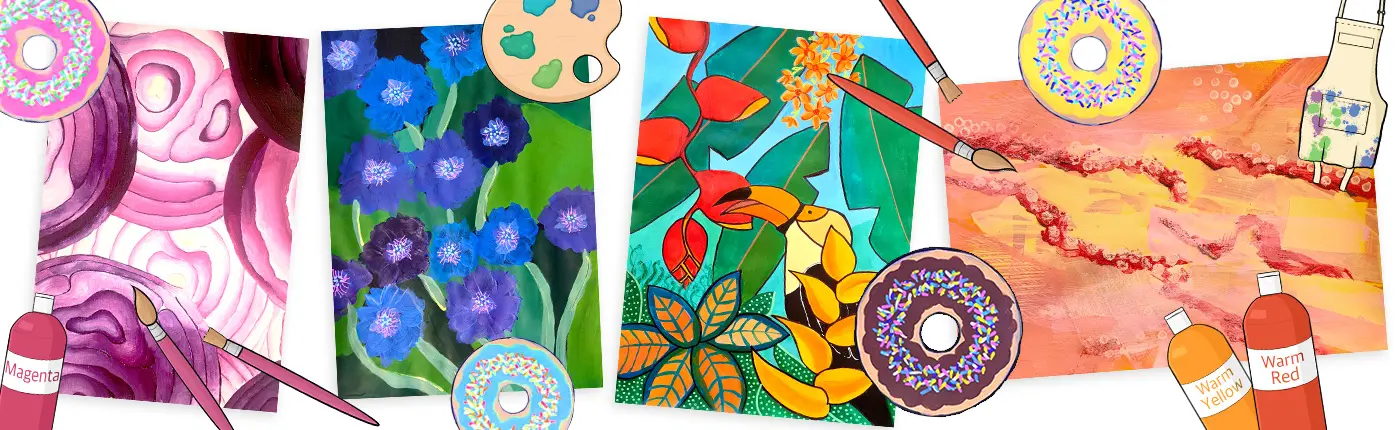
Nothing motivates students more than seeing their work proudly displayed. Rotate artwork regularly so every child has the opportunity to shine. Hang artwork from ceilings, display it on bulletin boards or create mini gallery spaces around the room.
Try displaying artwork by theme, year level or artist inspiration. Labels and artist statements can make displays feel even more professional and encourage students to value their creative efforts.
Include Famous Artists and Inspiration Boards
Introduce students to a variety of artists from different cultures, styles and time periods. Create an “Artist of the Month” display or inspiration board featuring artworks, fun facts and student responses.
You can also display visual prompts, colour palettes, textures and images from nature to spark ideas before lessons begin. Inspiration walls encourage curiosity and creative thinking across all year levels.
Organise Materials in a Visual Way
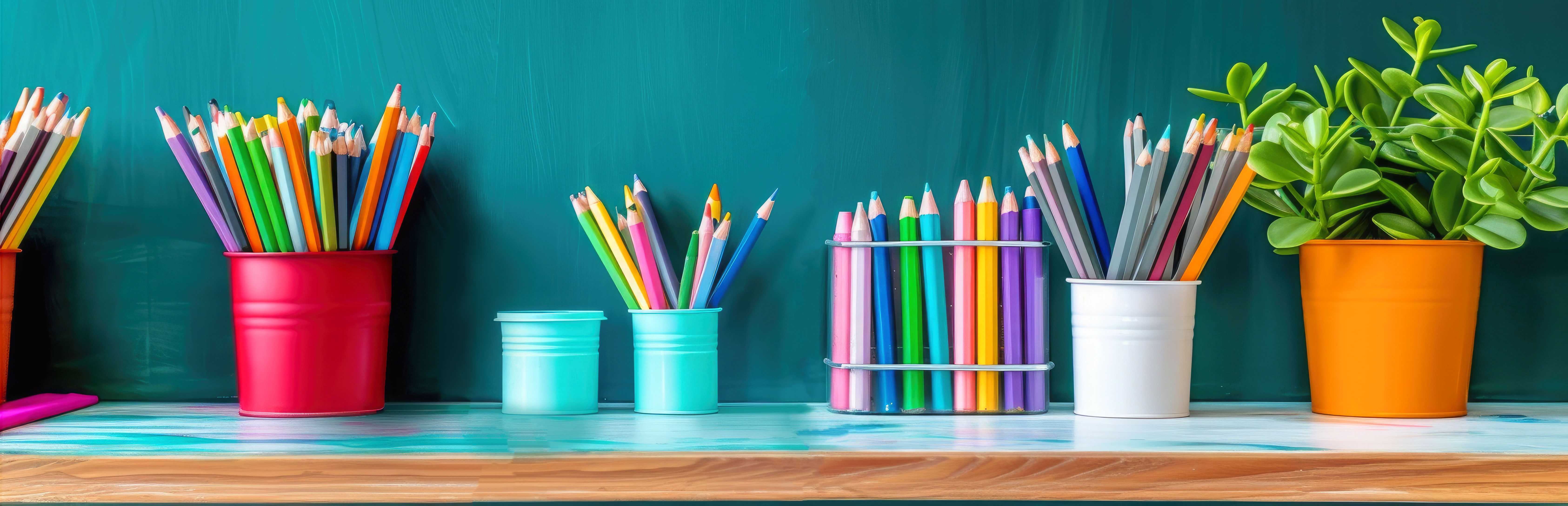
An organised art room helps lessons run smoothly and teaches students independence. Use labelled tubs, rainbow storage drawers and clear containers so students can easily find and pack away materials.
Colour-coding supplies for different tables or year levels can save time and reduce confusion. Younger students especially benefit from visual labels with pictures as well as words.
Create Interactive Areas
Students love spaces where they can explore and contribute. Consider adding:
- A collaborative mural wall
- A drawing challenge station
- A “finished early” creativity table
- A sculpture display shelf
Interactive spaces help keep students engaged and make the room feel dynamic and creative.
Make It Comfortable and Welcoming
Even small touches can make an art room feel special. Add rugs, cushions for floor discussions, plants, fairy lights or calming music during artmaking sessions. Creating a warm and positive environment encourages students to take creative risks and feel comfortable expressing themselves.
Celebrate Creativity Over Perfection
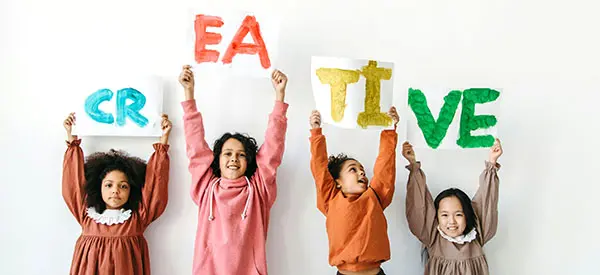
The most engaging art rooms are not perfectly styled Pinterest spaces — they are active, colourful environments filled with experimentation, imagination and student voice. Celebrate messy creativity, unique ideas and the process of making art.
When students feel inspired by their environment, they are more likely to participate, experiment and develop a lifelong love of art.
After all, the art room should be a place where creativity bursts off the walls, literally! 🎨✨
Latest Articles
Popular kids art lessons for teachers and ideas for the artroom
An engaging art room does more than look colourful. It ...

Using Picture Books to Teach Line in the Art Room ...

Why is it important for kids to work in 3D ...