Using Picture Books to Teach Line in the Art Room
Picture books are a powerful way to introduce the element of line in a fun and engaging way for kids. Here are some titles we recommend that can be used to enhance the Line unit of lesson plans and support learning about line in the classroom.
Early Years: Exploring Line Through Play and Expression
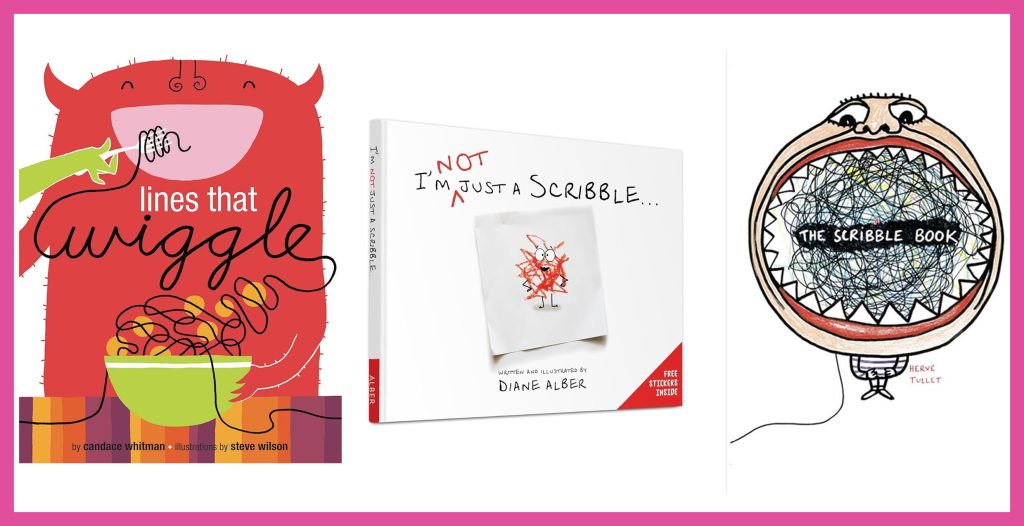
Lines That Wiggle by Candace Whitman
This lively, rhythmical text introduces students to a wide range of line types in a highly accessible way. It provides a strong starting point for teaching visual language. This allows teachers to build vocabulary around line while encouraging students to observe and identify different lines in their everyday environment.
I’m Not Just a Scribble by Diane Alber
Ideal for early primary, this book reframes the idea of a “scribble” as something meaningful and expressive. It supports classroom conversations around confidence and creativity. It reinforces that lines can communicate emotion and identity, not just represent objects.
The Scribble Book by Hervé Tullet
Highly interactive and open ended, this text encourages experimentation with line through playful prompts. It is particularly useful for teachers wanting to foster creative risk taking and reduce perfectionism. It makes line a tool for exploration rather than a finished outcome.
Building Understanding: Line as Structure and Story
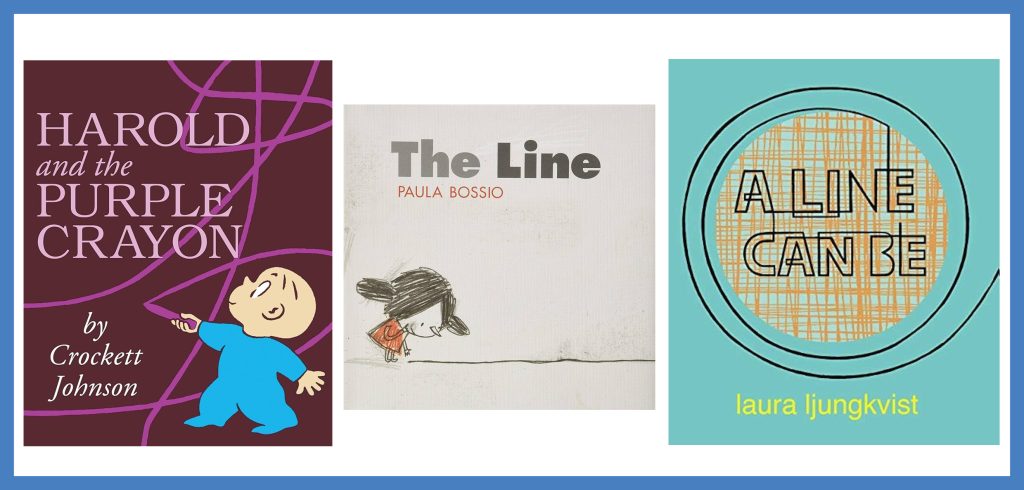
Harold and the Purple Crayon by Crockett Johnson
This classic narrative clearly demonstrates how a single line can construct an entire visual world. It is an excellent resource for teaching how lines form shapes, objects and environment. It also works well as a prompt for student artworks that explore continuous line drawing and imaginative storytelling.
The Line by Paula Bossio
A wordless text that invites interpretation, this book encourages students to consider how a simple line can suggest movement, interaction and narrative. It is particularly effective for integrating visual art with oral language, as students generate their own stories based on what they observe.
Follow the Line by Laura Ljungkvist
With its clean, graphic style, this book supports the development of visual tracking and spatial awareness. Teachers can use it to explore how lines guide the viewer’s eye, as well as introduce concepts such as direction and pattern within compositions.
Extending Learning: Line in Art and Visual Communication
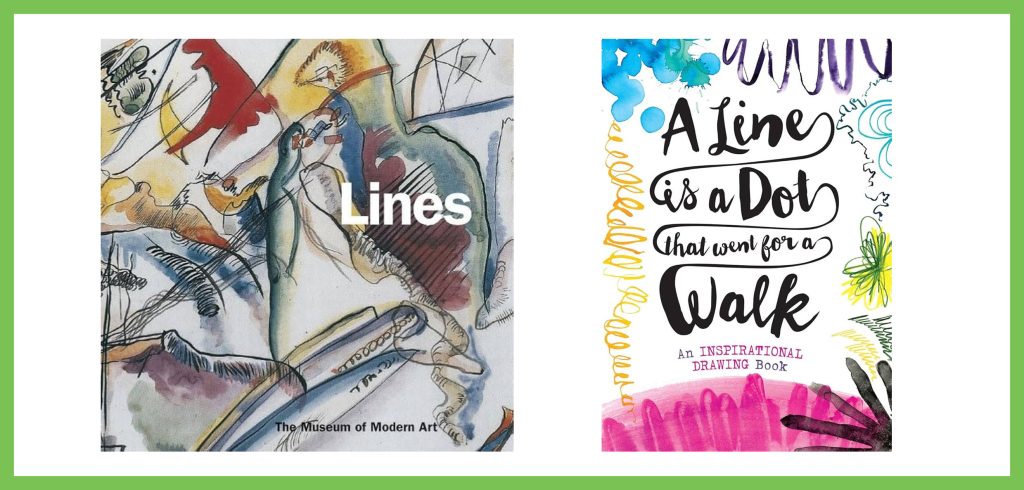
Lines by Philip Yenawine
This text connects classroom learning to real artworks, supporting the development of visual literacy. It encourages students to analyse how artists use different types of lines to communicate ideas, making it a resource for discussion, reflection and responding activities.
A Line is a Dot That Went for a Walk
This concept driven book reinforces the idea of line as movement over time. It is well suited to lessons that focus on process, helping students understand how simple marks can evolve into more complex forms through exploration and intention.
These books can provide you with ideas for introducing and developing the element of line from K-6. By pairing the books with practical art projects students can move beyond recognising line to using it with confidence and creativity. See our unit on Line to teach the element of line in your classroom.
Latest Articles
Popular kids art lessons for teachers and ideas for the artroom

What Should You Teach First in Primary and Elementary Art? ...

An engaging art room does more than look colourful. It ...

Using Picture Books to Teach Line in the Art Room ...