What Should You Teach First in Primary and Elementary Art?
Starting a new school year in the art room can feel like a big job. With so many techniques, materials, artists and creative possibilities to choose from, it can be difficult to know where to begin.
One of the best places to start is with the Elements of Art. These seven basic building blocks; line, shape, colour, texture, form, value and space give students the visual vocabulary and practical skills they need to understand and create artwork.
Introducing the elements through simple, engaging activities gives students a strong foundation. As their skills develop, you can revisit the same elements in increasingly challenging projects.
Start with the basics
1. Line – the perfect place to begin
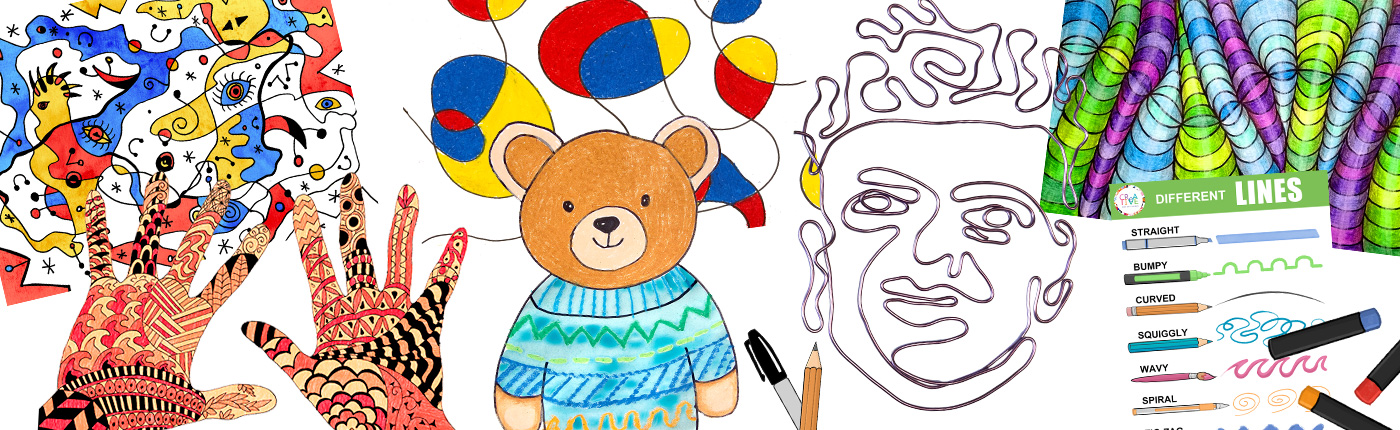
Line is a natural starting point for younger students because it is simple to understand and easy to explore. Students can experiment with straight, curved, thick, thin, zigzag and expressive lines while developing pencil and brush control.
Creative Kids Art Lesson’s Line unit takes this simple idea and turns it into creative projects inspired by artists including Alexander Calder, Bridget Riley and Joan Miró.
2. Shape – turn lines into pictures
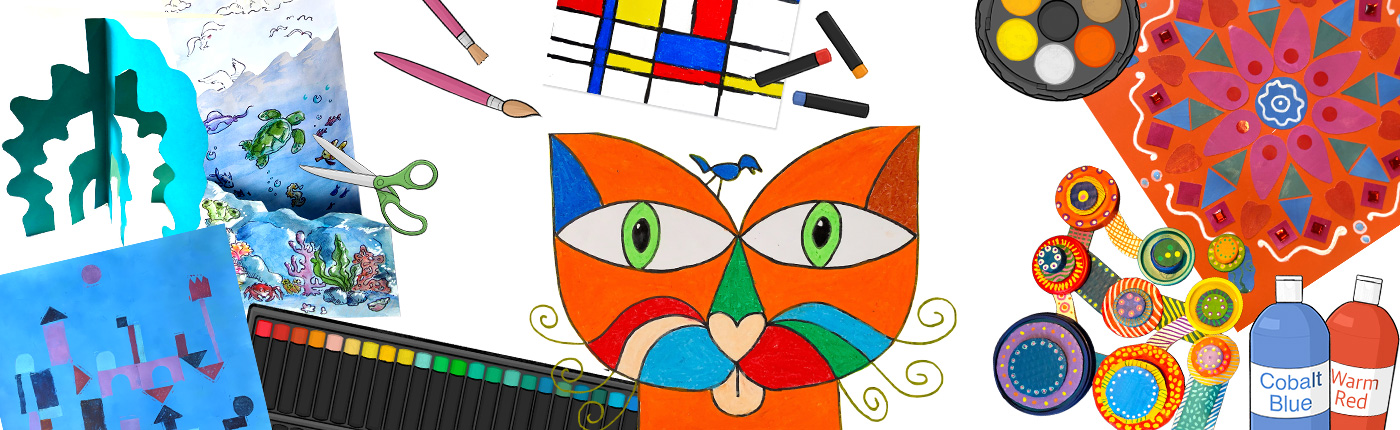
Once students are comfortable with line, introduce shape. Help them recognise geometric and organic shapes and experiment with combining them to create pictures and designs.
Shape is a wonderful foundation for drawing because students begin to see complex objects as collections of simpler shapes. Creative Kids Art Lesson’s Shape unit builds these skills through projects inspired by artists such as Paul Klee, Piet Mondrian and Alexander Calder.
3. Colour – let students experiment
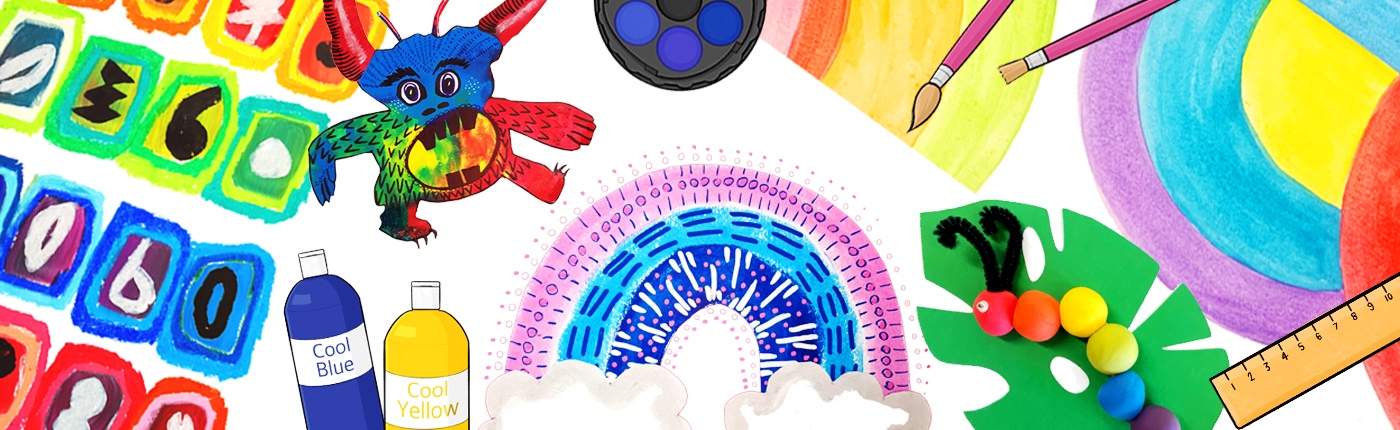
Colour is always a favourite! Start with the basics of primary and secondary colours, then introduce warm and cool colours, colour mixing and different colour relationships.
The aim isn’t just to learn colour theory, it’s to give students opportunities to experiment and make creative choices. Creative Kids Art Lesson’s Colour unit includes colourful projects and explores the work of Janet Skates and Sonia Delauney whose work is strongly connected to colour and contrast.
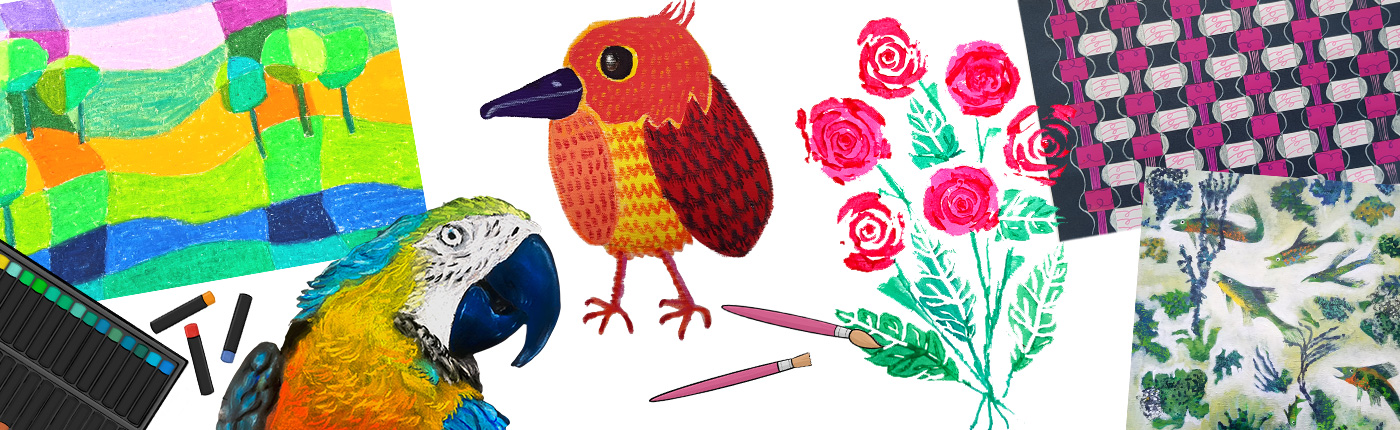
4. Value – introduce light and dark
Once students have explored colour, value is a great next step. Value describes how light or dark something appears and is an important tool for creating contrast, depth and dimension.
Simple activities such as creating a tonal scale, adding highlights and shadows, or mixing lighter and darker colours can help students understand the concept before they apply it to a finished artwork.
Creative Kids Art Lesson’s Value unit gives students lots of opportunities to explore light and dark through drawing, painting, printmaking and mixed media, from the vibrant landscapes of Ton Sculten to Rainforest Macaws, quirky birds and painting in the negative.
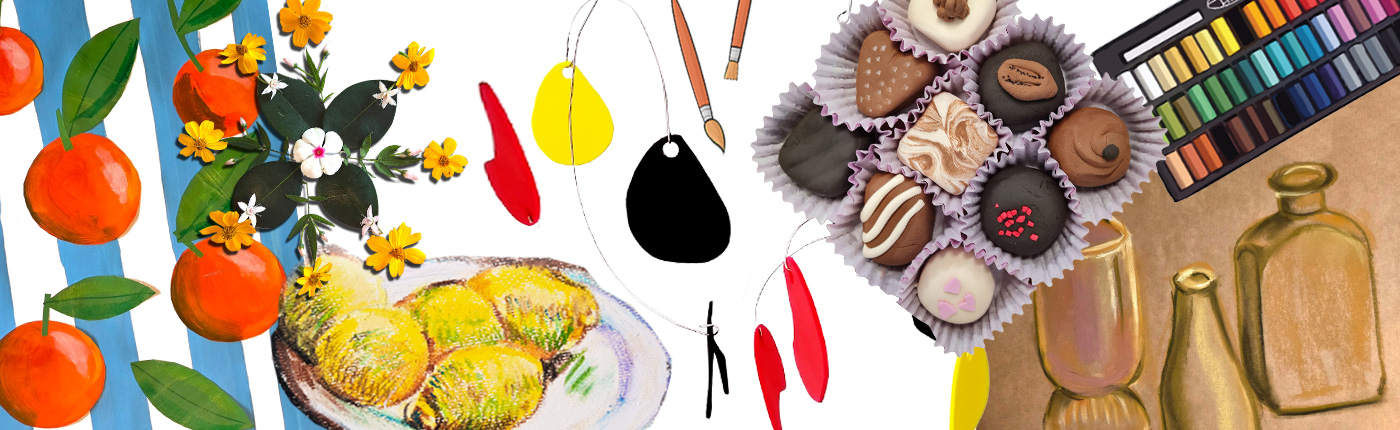
5. Form – make artwork look three-dimensional
Once students understand shape and value, you can begin exploring form. Students learn how shading, highlights and shadows can transform a flat shape into something that appears three-dimensional.
Creative Kids Art Lesson’s Form unit builds on these skills through drawing, painting and sculpture, with projects inspired by artists including Van Gogh, Morandi, Andy Goldsworthy and Alexander Calder.
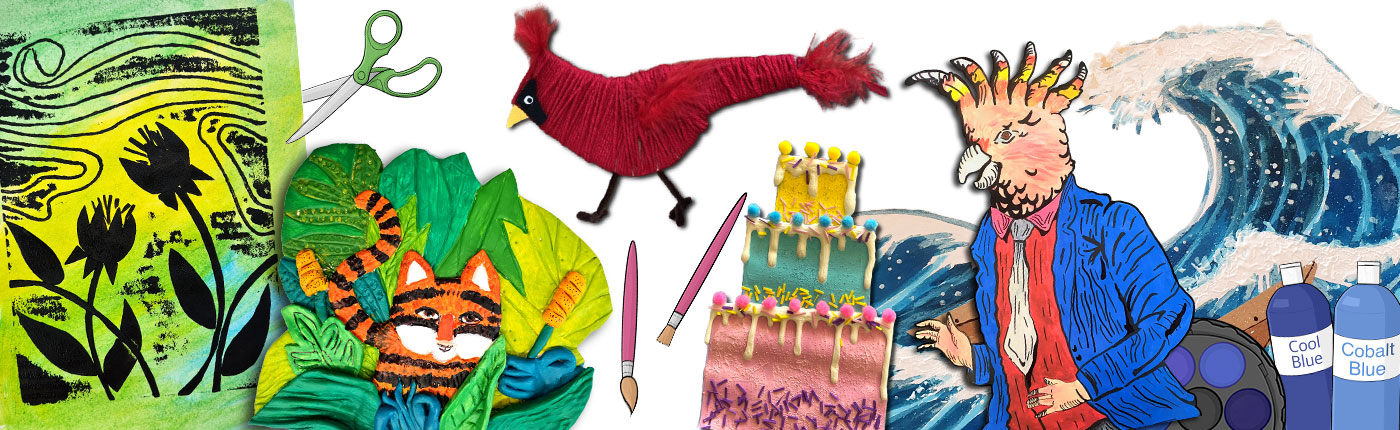
6. Texture – explore how things look and feel
Texture is particularly engaging for primary students because it can be explored through touch as well as sight. Students can discover actual textures in materials and create the illusion of texture using line, colour and shape.
Creative Kids Art Lesson’s Texture unit explores both actual and implied texture through projects inspired by artists including Hokusai, Max Ernst and Henri Rousseau.
7. Space – bring everything together
Finally, explore space, the areas around, between and within objects. Students can investigate foreground, middle ground and background, overlapping, size and placement to create the illusion of depth.
As students progress through the Elements of Art, they begin to see that artists rarely use just one element. Line, shape, colour, value, texture, form and space work together to create successful artwork. The elements are the building blocks, but creativity comes from how students combine and use them.
Keep building skills year after year
The great thing about teaching the Elements of Art is that you don’t have to teach each element once and move on. Revisit them throughout Kindergarten to Year 6, increasing the complexity of the skills, techniques and projects as students grow.
A young student might explore line by creating a simple drawing, while an older student might use expressive lines to create movement or develop an illusion of depth. The same element becomes more sophisticated as students’ artistic skills develop. Our lesson plans develop skiills by making the projects for older students look at the elements in more detailed and complex ways to develop students’ skills and understanding.
Make art planning easier
If you’re looking for a structured way to teach the Elements of Art, CKAL has dedicated Kindergarten to Year 6 lesson plan units for Colour, Form, Line, Shape, Texture and Value, with engaging projects designed to build students’ skills through the year.
Starting with the basics doesn’t mean making art boring. It means giving students the tools, vocabulary and confidence to become more creative, capable young artists. 🎨
Latest Articles
Popular kids art lessons for teachers and ideas for the artroom
10 Art Lessons to Engage Primary and Elementary Students What ...

What Should You Teach First in Primary and Elementary Art? ...
An engaging art room does more than look colourful. It ...